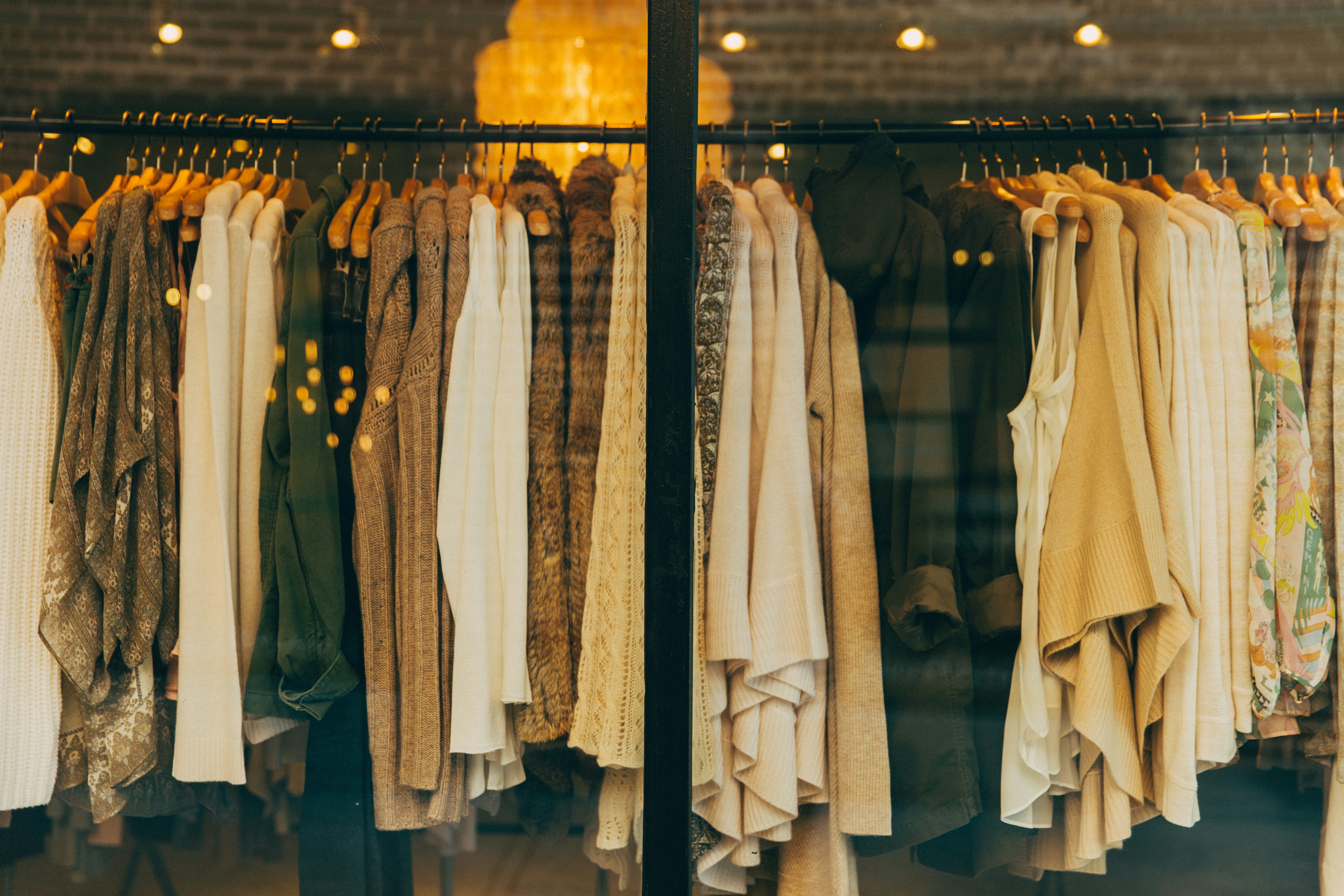
The EU is stepping up its efforts to reduce textile waste and strengthen the circular economy. The destruction of unsold discarded textiles will now be prohibited.
On 9 February 2026, the European Commission adopted new rules prohibiting the destruction of unsold textiles, footwear and accessories. The measure forms part of the Ecodesign for Sustainable Products Regulation (ESPR) and marks a significant shift in how the textile industry will be required to manage surplus inventory in the future.
Each year, between 4% and 9% of unsold textiles in Europe are incinerated before they are ever used. This practice is estimated to generate around 5.6 million tonnes of CO₂ emissions, equivalent to Sweden’s total net emissions in 2021.
The growth of e-commerce and high return rates further contribute to the problem. Approximately one in five garments purchased online is returned, and in Germany alone, nearly 20 million returned products are discarded every year.
Instead of disposing of excess stock, businesses are now encouraged to manage inventory more efficiently, improve the handling of returns, and explore alternatives such as resale, remanufacturing, donation and reuse. The destruction of unsold goods will only be permitted in specific circumstances, for example where products pose a safety risk or have been damaged.
The ban on destroying unsold textiles, footwear and accessories will apply to large companies from 19 July 2026. Medium-sized companies will be required to comply from 2030.
In addition, from February 2027, large companies will be required to report annually on the fate of all categories of discarded unsold goods, not only textiles. Businesses must use a standardised reporting format to ensure comparability across product groups.
The following information must be published on an easily accessible website:
For medium-sized companies, these reporting requirements will apply from 2030.
As an EEA country, Norway will also be required to implement the legislation. For textile and sporting goods companies, e-commerce businesses, and other organisations that import or sell textiles and footwear, this is likely to mean:
The new rules send a clear signal that linear business models, where surplus products become waste, are no longer acceptable in Europe. At the same time, they offer an opportunity for the textile industry to drive innovation, improve resource efficiency and accelerate the transition to more circular value chains.