

Extended Producer Responsibility (EPR) for textiles will enter into force in Norway possible as early as 1 January 2027. This means that producers and brands will be responsible for ensuring that textiles are managed throughout their entire lifecycle.
Extended Producer Responsibility for textiles will change the way the textile industry designs, manufactures, and places products on the market. Our systems are designed to enable smarter resource use, innovation, and new business models. Our aim is to provide companies with decision-making support early in the process, ensuring that choices regarding materials, construction, and product design influence how textiles are managed after use. This is the circular economy in practice.
An effective EPR scheme for textiles requires close collaboration with the stakeholders affected by the legislation. Videre operates with a clear Nordic perspective, aiming to establish harmonized requirements and shared producer responsibility systems across the Nordic countries.
That is why we develop our systems in close dialogue with the textile industry in Norway and across the Nordic region, building on practical experience, industry knowledge, and real-world business processes. It is this collaboration with producers, brands, and other stakeholders that enables high-quality compliance.
Responsibility follows the textiles. Videre helps every part of this important value chain make informed decisions throughout the product lifecycle. By focusing on prevention rather than clean-up, we create new value from textiles for brands, businesses, and the industry as a whole.
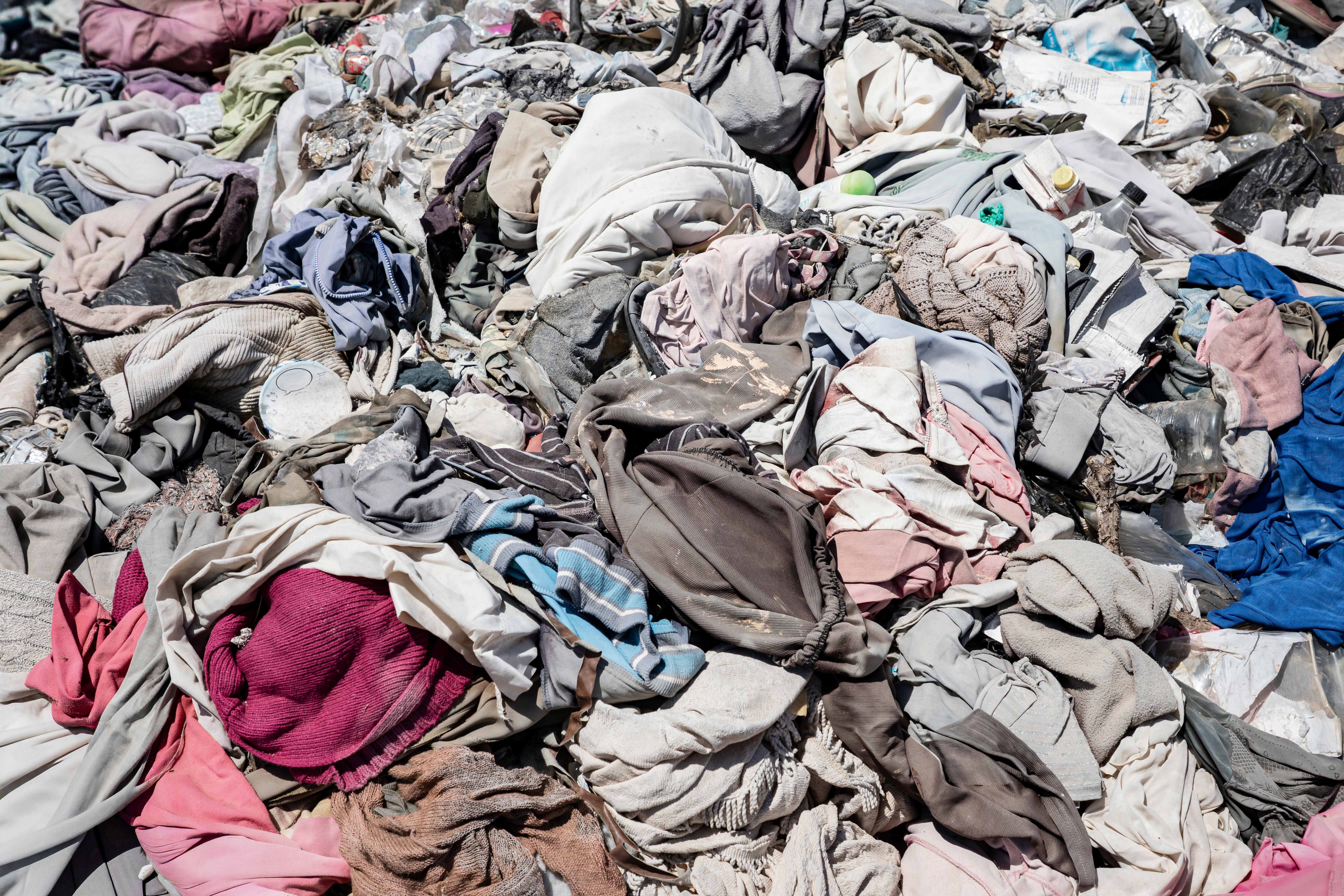
On behalf of the Norwegian Ministry of Climate and Environment, the Norwegian Environment Agency (Miljødirektoratet) has prepared a proposal for new regulations on producer responsibility for textiles, textile-related products, and footwear. The purpose of the regulation is to prevent and reduce the environmental impact of textile products while supporting the transition to a circular economy. The proposal has been released for public consultation.
The regulation is proposed to enter into force as early as 1 January 2027, with a transition period for the smallest businesses until 2029. This means that companies should begin preparing for the new requirements now.
The proposal implements the latest amendments to the EU Waste Framework Directive, which require Member States to establish Extended Producer Responsibility schemes for textiles. Producer Responsibility Organizations (PROs) must be approved by the Norwegian Environment Agency and comply with strict requirements related to competence, operations, and financial stability.
In practice, the proposal means that companies placing textiles and footwear on the Norwegian consumer market, including online retailers, will become responsible for their products even after they are discarded. The objective is to increase both reuse and recycling of textile waste.
Increased Regulation of the Textile Industry
The proposal requires all companies that place textile products on the Norwegian market for the first time (including producers, importers, and distributors) to join and pay fees to an approved Producer Responsibility Organization (PRO). The PRO will be responsible for the separate collection, sorting, and treatment of used and discarded textiles on behalf of its members.
The scheme will also contribute financially to research and development aimed at improving product design and recycling technologies. In addition, it will provide consumers with clear information about sustainable consumption, repair, and proper waste management.
The proposed regulation introduces detailed requirements for sorting textiles according to the waste hierarchy, prioritizing reuse and recycling over energy recovery and disposal.
The legislation represents an important step toward reducing textile waste in Norway and will have significant implications for the entire textile sector.
Key Requirements in the Proposed Regulation
Ordningen skal også bidra økonomisk til forskning og utvikling for bedre produktdesign og gjenvinningsteknologi, samt gi forbrukerne tydelig informasjon om bærekraftig forbruk, reparasjon og korrekt avfallshåndtering. Forskriftsforslaget stiller også detaljerte krav til sortering etter avfallshierarkiet, der ombruk og materialgjenvinning skal prioriteres fremfor energiutnyttelse og sluttbehandling.
Separate Collection - Producers will be responsible for the separate collection of a reasonable quantity of textiles based on the volume they place on the market. Producers must cover all necessary costs related to:
Revenue generated from the sale of second-hand textiles and recovered materials should be taken into account when calculating costs.
Stricter Textile Sorting Requirements - All separately collected textiles must be sorted according to the waste hierarchy, in the following order of priority:
Textiles must be protected from damage and contamination, and products deemed suitable for reuse should be able to exit waste status and re-enter the market.
Enhanced Reporting Requirements - Both producers and Producer Responsibility Organizations will be subject to extensive reporting obligations, including:
These requirements will significantly improve data quality, transparency, and traceability across the industry.
Why Is Extended Producer Responsibility Being Introduced?
Textile waste is growing rapidly, and large quantities still end up in residual waste streams or are exported abroad without sufficient sorting requirements. Under the new framework, responsibility is shifted upstream to the companies that place products on the market.
For the textile industry, this means:
The legislation also creates opportunities for new business models, more efficient resource use, and stronger brand reputation. By taking a proactive approach, companies can reduce their environmental footprint, deliver more circular products, and strengthen trust among consumers who increasingly expect responsible business practices.
Tekstiler skal beskyttes mot skade og kontaminering, og produkter som vurderes som egnet til ombruk skal kunne gå ut av avfallsfLearn more about producer responsibility on the Norwegian Environment Agency's website.
Do you have plan for managing textiles throughout their lifecycle?
Norsirk is certified according to ISO 9001 and ISO 14001 standards, which strengthen competitiveness through documented quality management (ISO 9001) and environmental management (ISO 14001). These certifications support improved processes, reduced costs through more efficient use of resources and energy, enhanced customer satisfaction, and compliance with legal requirements. Together they form a comprehensive management system that demonstrates responsibility and commitment to quality and environmental performance. This is essential for reliable data and increased trust from authorities, producers, and our partners.


