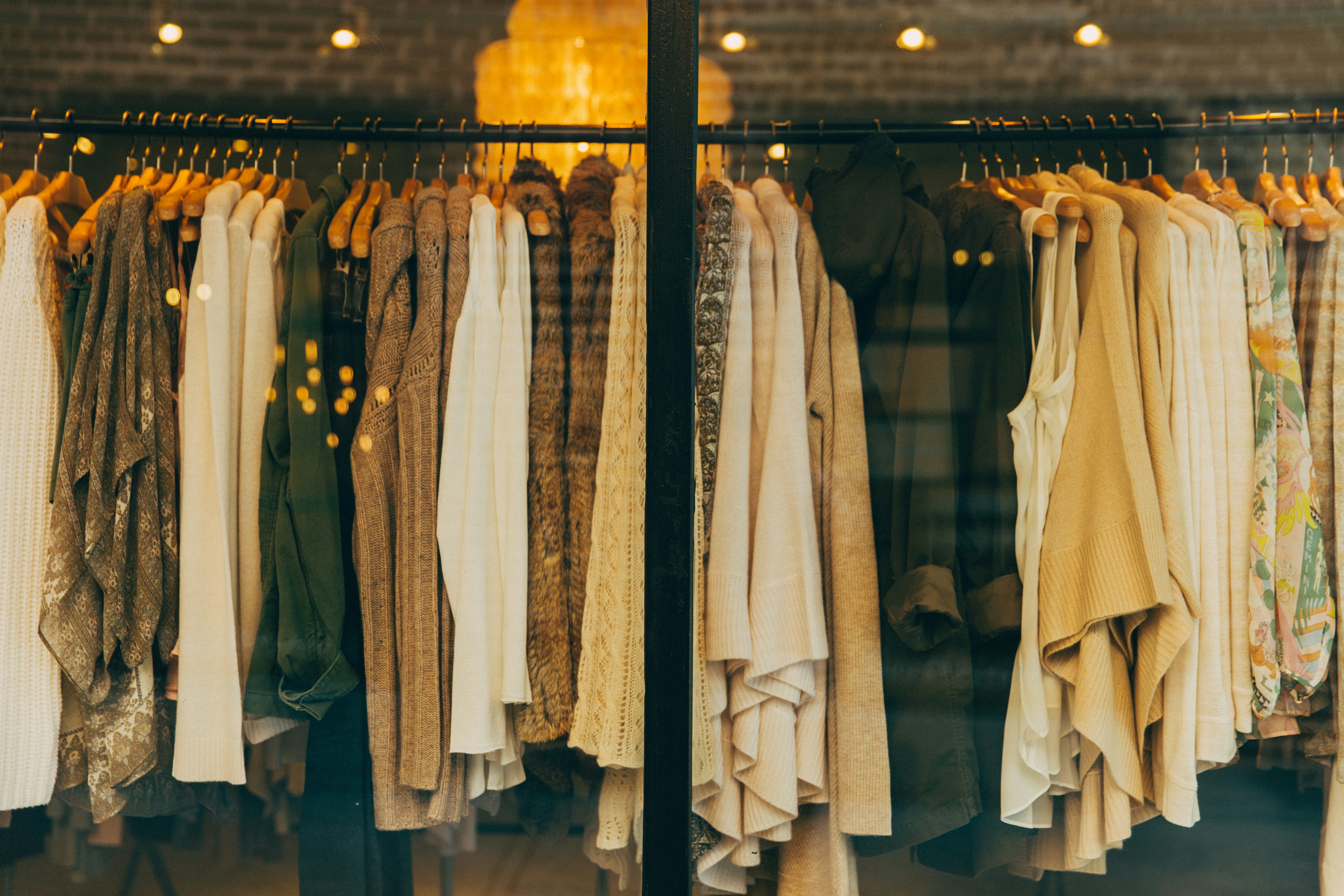
Extended Producer Responsibility for textiles is coming soon. Videre manages it for you.
Snart kommer et utvidet produsentansvar for tekstil.
‍
Videre håndterer det for deg.
Videre develops, operates, and manages solutions that make it easy for producers and brands to comply with the requirements of the Extended Producer Responsibility (EPR) scheme for textiles. This helps Norway achieve its environmental goals while allowing producers to focus on what they do best: creating better textiles.
Visste du at...
7 500
+

More than 7,500 Norwegian companies are part of the consumer textile value chain.

44 000
+

The textile sector employs more than 44,000 people.

NOK 93
billion

The industry generates approximately NOK 93 billion in annual turnover in Norway.

News and insigths
Go to archive →
Do You Have a Plan for Managing Textiles?

Frequently Asked Questions. Have additional questions? Contact us.

1
.
What Is Videre?

Videre Tekstil AS is a Producer Responsibility Organisation (PRO) established and owned by NORSIRK, a nationwide producer responsibility organisation with more than 25 years of experience in making value chains more circular.

The leading textile cluster in Norway, NF&TA (Norwegian Fashion & Textile Agenda), serves as project lead for Videre. This partnership combines NORSIRK's extensive expertise in producer responsibility with NF&TA's deep knowledge and insight into the textile industry.

Together, we transform new regulatory requirements into practical solutions that work in everyday business operations, because they are developed in close collaboration with the industry itself.

‍

2
.
Who I Covered by Extended Producer Responsibility?

Extended Producer Responsibility for textiles applies to all businesses that place textiles, footwear, and textile-related products on the Norwegian market for the first time, including manufacturers, importers, retailers, and e-commerce actors.

These companies will be required to join and pay fees to an approved Producer Responsibility Organisation, which will be responsible for the separate collection, sorting, and treatment of used and discarded textiles on behalf of its members.

The objective is to prevent and reduce the environmental impact of textile products while supporting the transition to a circular economy.

The textile EPR scheme is proposed to enter into force on 1 January 2027, with a transitional arrangement for the smallest businesses until 2029.

3
.
How Does Videre Help Producers and Brands in Practice?

Videre makes it easy for producers and brands to comply with textile EPR requirements by providing efficient systems for:

  • Separate collection and management of textile waste and used textiles
  • Mapping and analysis of textile waste streams
  • Research and development within the producer responsibility system
  • Annual reporting to the Norwegian Environment Agency (Miljødirektoratet)
  • Compliance with new requirements for labelling cross-border shipments of used textiles and textile waste
  • Meeting strict sorting requirements in line with the waste hierarchy
  • Providing consumers with information on sustainable consumption, reuse opportunities, textile reuse, and waste management

Videre Tekstil AS offers methods and tools developed in dialogue with the industry and based on practical experience and real-world business processes.

This enables producers and brands to focus on designing and producing better textiles while we ensure compliance in a practical and efficient way.

4
.
How Does Videre Contribute to a Circular Textile Economy?

Videre develops systems that support smarter resource utilisation, innovation, and new business models.

Our solutions provide decision-making support at an early stage, helping companies make informed choices regarding materials, product construction, and design. This creates more sustainable pathways for textiles throughout their lifecycle, in line with the waste hierarchy.

Videre's system provides practical support for reuse, recycling, and improved resource efficiency.

Only a Small Fraction of Used Clothing Is Recycled into New Materials
Globally, less than 1% of used clothing is recycled into new textiles. This also reflects the challenges Norway faces regarding textile recycling and highlights the need for new solutions enabled through producer responsibility.
Ellen MacArthur Foundation (2017)
– Our systems facilitate smarter resource utilisation, innovation, and new business models. They provide customers with decision-making support early in the process, enabling material, construction, and design choices that influence the future pathway of textiles.
Stig Ervik, Managing Director, NORSIRK
Large Quantities of Textiles Are Discarded Every Year
Approximately 80,000 tonnes of textiles were discarded in Norway in 2022. Of these, 49,000 tonnes ended up in residual waste and were sent to energy recovery instead of reuse or recycling.
Norsus (2023)
– The textile industry operates through global value chains, making harmonised solutions essential for ensuring efficient operations and industrial development. This is necessary if producer responsibility is to achieve its intended effect.
Linda Refvik, Managing Director, NF&TA
Large Volumes of Reusable Textiles End Up in the Bin
Of the textiles discarded in Norway, it is estimated that more than 30,000 tonnes of fully usable clothing and textiles are thrown away in residual waste every year, even though they could have been reused.
Mepex Consult AS (2024)
– Our systems facilitate smarter resource utilisation, innovation, and new business models. They provide customers with decision-making support early in the process, enabling material, construction, and design choices that influence the future pathway of textiles.
Stig Ervik, Managing Director, NORSIRK
Norwegians Purchase Large Quantities of Textiles
Norwegians have a high level of textile consumption. More than 105,000 tonnes of new clothing, footwear, and household textiles were placed on the market in 2022. This corresponds to approximately 19 kilograms of textiles per person.
Norsus (2023)
– The textile industry operates through global value chains, making harmonised solutions essential for ensuring efficient operations and industrial development. This is necessary if producer responsibility is to achieve its intended effect.
Linda Refvik, Managing Director, NF&TA